
SmartPack - packing lists
AcquasysTravel & Local
4.016.00 Reviews
- Version
- 2.9.3
- Installs
- 10.00K
- Age Rating
- Everyone
Screenshots
Our Review of SmartPack - packing lists
 Analysis by Appyee
Preparing for a trip is rarely difficult because I forget the big things. I usually remember my passport, phone, and clothes. The trouble is the small, easy-to-miss items: charging cables, medication, documents, toiletries, or something needed only for one particular activity. SmartPack - packing lists approaches that problem as a dedicated travel and local planning app rather than as a basic notes page. After using it, I found its main appeal in turning packing into a repeatable process instead of a last-minute memory test.
That distinction matters if you travel more than once, pack for different people, or need separate lists for different kinds of trips. A blank note can hold a checklist, but it rarely helps you build a useful system. SmartPack is designed around the idea that a packing list should be customizable and reusable. I would recommend it to someone who wants more control than a handwritten list provides, while still preferring a focused tool over a large travel-planning platform.
How the packing workflow feels on a phone
The app comes from Acquasys and belongs to the Travel & Local category. It is free to start, with in-app purchases priced at $3.99 per item. Its age rating is Everyone, so the presentation is suitable for a broad audience rather than being aimed at a specialist or adult travel niche. The current version is 2.9.3, and it runs on Android 8.0 or later.
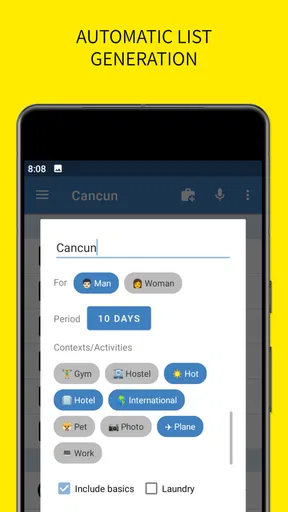
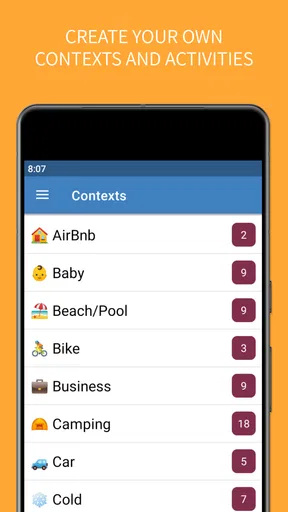
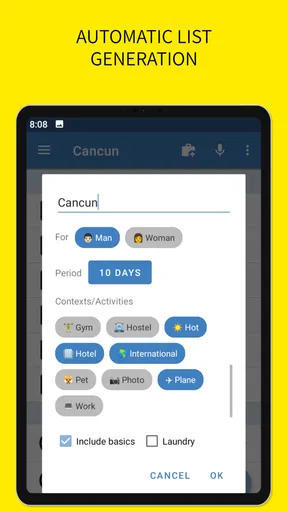
My first impression was that the value is not in a flashy travel dashboard. It is in having a place where I can shape lists around the way I actually travel. A weekend away, a business trip, a beach holiday, and a camping-style outing do not need the same checklist. A useful packing assistant should let me separate those situations instead of forcing every trip into one oversized list, and customization is the reason this app is more practical than a simple note.
The best way to use it is to build a dependable base list before a trip is urgent. I would create one list for the items I almost always need, then adapt it for the destination and length of the journey. That approach reduces the temptation to start from zero every time. It also makes the app more useful after the first trip, because the list can reflect my own habits rather than a generic travel checklist written for someone else.
A realistic example is a two-day visit where I leave after work. I can prepare the list earlier in the week, check clothing and toiletries at home, and then revisit the remaining items just before leaving. This is more reliable than trying to remember everything while closing a suitcase. The small advantage becomes significant when the trip includes an unusual item, such as formal clothing, a document, or equipment connected to the reason for travelling.
Why customization matters more than a long default list
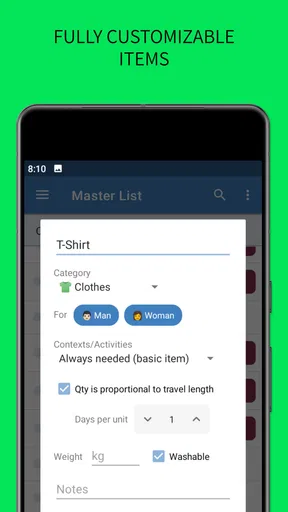
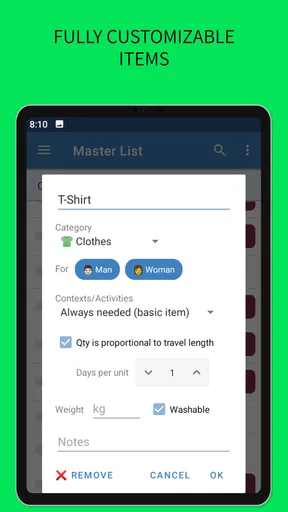
Many packing tools look useful because they display a large collection of possible items. In practice, a long generic list can create its own problem: I spend time deleting irrelevant suggestions and may overlook the few things that matter for my trip. SmartPack’s customizable approach is more valuable when I treat it as a personal template rather than as an authority on what every traveller should carry.
I found a useful trade-off here. The more carefully I tailor a list, the more helpful it becomes for my routine, but that setup takes attention at the beginning. Someone who wants an instant, destination-specific checklist may prefer a travel service that combines packing with weather, reservations, and itinerary information. SmartPack makes more sense for someone willing to create a system that matches their own trips.
Another practical tip is to avoid putting every possible item into one master list. I would keep the everyday essentials separate from trip-specific additions. That makes checking faster on ordinary journeys and lowers the chance that an important item gets buried among things I rarely use. It also gives the app a clearer role: a packing assistant that adapts to me, not a catalogue that tries to cover every type of travel at once.
Where connectivity enters the experience
Connectivity is not the main reason to choose this app, but it still affects how confidently I use any travel tool. Packing often happens in places where my attention is divided: at home while charging devices, in a hotel room before checkout, or beside a suitcase while preparing to leave. If the app needs network access at a particular moment, that can become inconvenient, especially when I am already rushing.
I would therefore prepare the list before the final departure window rather than waiting until I am at a station, airport, or accommodation. That simple habit separates planning from travel-day pressure. It also means I can check the list when my connection is busy, unreliable, or expensive without making connectivity the centre of the packing process.
The app’s usefulness is strongest when the list has already been organized. If I am trying to design a new checklist during a journey, a network interruption or a poor mobile signal could make the experience feel less dependable. I would not treat SmartPack as a complete travel information service that must constantly retrieve live details. I see it primarily as a preparation tool, and that is the safer way to plan around connectivity.
This is also where it differs from broader alternatives. A notes app may be available across many devices and may already be familiar, but it offers little structure beyond what I create myself. A travel-planning app may connect packing with reservations, maps, weather, and schedules, but that wider scope can add clutter. SmartPack sits between those choices: more purposeful than a blank note, but narrower than an all-in-one travel companion.
Using it in mobile situations
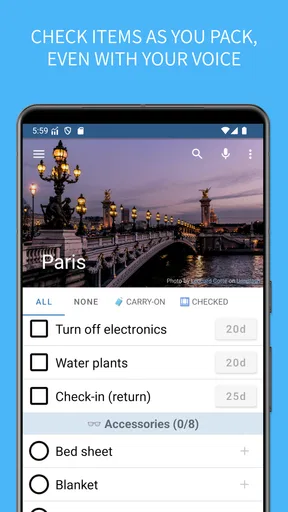
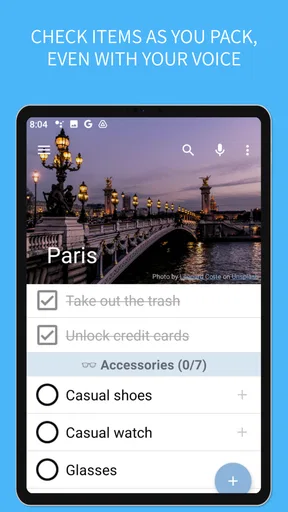
SmartPack is naturally suited to phone-based checking because packing is usually done while moving between rooms, bags, and errands. I do not need to sit at a desk to use the list. That sounds obvious, but it changes how I organize the process: I can check items as they go into the suitcase, then return later for the things I cannot pack until the last moment.
For a family trip, I would avoid creating one confusing list with everyone’s belongings mixed together. Separate lists or clearly grouped sections are easier to review, particularly when one person’s medication, work equipment, or child-related items must be handled differently. The key insight is that customization is not only about adding more entries; it is about making the checklist readable under pressure.
For business travel, I would use a compact template focused on documents, clothing, chargers, and work essentials, then add items for the specific meeting. For a leisure trip, I might create a different version that gives more space to personal-care items and activity-specific gear. The app becomes more useful when the list reflects the purpose of the trip rather than simply its destination.
There is a limitation to this mobile-first approach. A phone checklist cannot replace the physical act of sorting, weighing, or inspecting luggage. It helps me remember and confirm, but it does not decide whether a bag is practical or whether I have packed too much. I still need to use judgement, especially when travelling with restricted items or when space is limited.
What happens when a list or connection goes wrong
The most important recovery habit is to avoid treating the checklist as something I consult only once. I prefer a three-stage routine: prepare the list early, check the bag while packing, and review it again before leaving. This catches a common failure that no app can completely prevent: marking something as ready before it is actually inside the bag.
If I lose track of what has been packed, I would pause and physically verify the uncertain items instead of repeatedly tapping through the list. That is especially useful for small accessories, cables, and toiletries, which can be easy to mark mentally but difficult to locate later. A checklist is only as accurate as the connection between the digital tick and the real object.
Connectivity creates another possible point of friction. If the app is slow to respond or a network-dependent moment interrupts my planning, I would avoid making last-second edits in a crowded departure area. My preferred recovery method is to prepare the important version of the list earlier, then use the travel-day check as confirmation rather than as the only record of what matters.
This workflow also answers an important question: should SmartPack be the only place where I keep critical travel information? I would say no. Packing reminders are appropriate for this app, but passports, booking references, emergency contacts, and other essential details deserve their own secure and accessible arrangements. Keeping the packing role focused makes the tool easier to use and avoids expecting it to solve problems outside its purpose.
Keeping the app practical with limited data use
For a data-conscious traveller, the sensible approach is to do the creative work at home or wherever the connection is dependable. Build and refine lists before leaving, then avoid unnecessary browsing or repeated changes while mobile data is limited. The app’s core value is the organization of items, so I do not need to turn every trip into a constant online activity.
I would also be selective about how much detail I add. A list with clear, useful entries is faster to review than one filled with tiny variations that do not change the packing decision. For example, grouping a charger and its cable in a meaningful way may be more practical than creating several entries that require repeated checking. The right level of detail depends on what I have forgotten in the past.
In-app purchases at $3.99 per item make it worth considering how much of the free experience meets my needs before paying for extras. I would first establish whether the basic workflow handles my usual trips and whether customization saves me time. Someone who only travels occasionally may find a simple note sufficient, while a frequent traveller may see value in paying for capabilities that make repeated preparation more comfortable.
The app has an average rating of 4.0 from around 169 ratings, with about 16 written reviews, and it has passed 10 thousand installs. Those figures suggest a modest, established presence rather than the reach of a major travel platform. I would interpret that as a reason to judge the app by its fit with my packing habits, not by expecting the breadth or polish of a huge ecosystem.
Who should use it, and who should choose something else?
I think SmartPack is a good match for repeat travellers, organized families, people who pack for work and leisure in different ways, and anyone who regularly forgets small essentials. It is particularly appealing if I want to build a personal method instead of accepting a generic checklist. The free entry point also makes it easy to test whether a dedicated packing tool improves my routine.
I would be less enthusiastic about it for someone who wants live destination information, booking management, weather-driven suggestions, or a full itinerary in the same app. A broader travel platform may be better in that situation. I would also hesitate to recommend it to a person who takes only rare, simple trips and is already comfortable with a short note on their phone.
The app is not a substitute for judgement, and customization can become work if I keep adding items without maintaining the list. My advice is to review templates after each trip: remove things that never mattered, add anything I genuinely missed, and keep unusual requirements clearly separated. That small maintenance step is what turns a checklist into a useful personal tool.
After using it, my view is that SmartPack succeeds by staying focused on the part of travel preparation that is easy to underestimate. It does not need to be the centre of an entire journey to be useful. Its strongest contribution is helping me make packing repeatable, visible, and less dependent on memory.
Connectivity should be handled thoughtfully: prepare lists before departure, avoid relying on last-minute edits, and treat the app as a packing organizer rather than a live travel information service. With that expectation, the experience feels more dependable. The best results come from using the phone to support a physical packing routine, not from assuming a checklist can replace it.
My final recommendation is simple. If you want a customizable packing list app that is more structured than notes but less complicated than a full travel suite, I would give it a try. If your priority is an all-in-one itinerary with live services, another category of app will serve you better. For focused preparation, though, the free version is a sensible starting point, and the optional $3.99-per-item purchases are easiest to evaluate once you know exactly which parts of your own packing workflow need improvement.
Verdict
Strengths of SmartPack - packing lists
- Create and reuse packing lists for different types of trips.
- Checklist format makes it easy to track packed and missing items.
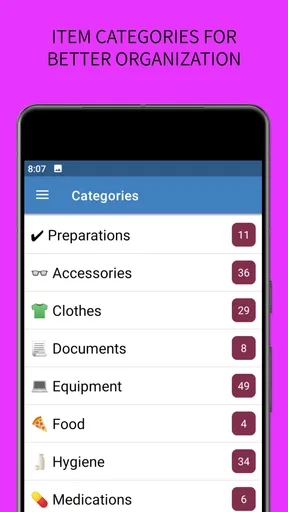
- Useful categories help organize clothing, documents, toiletries, and gear.
- Lightweight design works well for quick checks before leaving.
- Can reduce forgotten essentials by keeping everything in one place.
Limitations of SmartPack - packing lists
- The interface may feel basic compared with feature-rich travel planners.
- Initial setup can take time for users with highly specific packing needs.
- Some items may require manual customization or category adjustments.
- Not a complete itinerary, booking, or travel budget management tool.
- Its usefulness depends on remembering to update the list for each trip.
Similar Picks in This Category
View All
Google Maps
Google LLC3.4

Google Maps Go
Google LLC4.1

Booking.com: Hotels & Travel
Booking.com Hotels & Vacation Rentals4.8

Google Earth
Google LLC3.8

Skyscanner Flights Hotels Cars
Skyscanner Ltd4.8

trivago: Compare hotel prices
trivago N.V.4.4
Frequently Asked Questions
What is SmartPack - packing lists used for?
SmartPack - packing lists is designed to help you prepare for trips, holidays, business travel, camping, sports events, and other activities where forgetting an item can cause problems. You can create organized packing lists, add personal belongings, and check items off as you pack. It is especially useful for people who prefer a clear, reusable checklist instead of writing a new list from scratch every time.
Can I create and customize my own packing lists in SmartPack?
Yes, the app is intended to make packing lists flexible and personal. You can usually create lists for different destinations or occasions, add items that match your plans, and remove things you do not need. This makes it possible to prepare separate lists for a weekend trip, family vacation, work journey, or outdoor adventure, rather than relying on one generic checklist.
Does SmartPack work without an internet connection?
Packing is often done in places where mobile data or Wi-Fi may not be available, so SmartPack is useful as an on-device checklist. Once the app and your lists are available on your phone, you can generally review and update them without needing a constant connection. However, features such as downloading updates, synchronizing data, or accessing external services may require internet access.
Is SmartPack - packing lists free to download and use?
SmartPack - packing lists can be downloaded from the relevant Android or iOS store, but availability of free features, advertising, subscriptions, or optional purchases may depend on the current version and platform. Before installing, check the store listing for pricing details and in-app purchase information. This is particularly important if you want advanced tools or an ad-free experience.
Is SmartPack suitable for families and detailed travel planning?
The app can be helpful for families, couples, and travelers who need to organize many belongings before leaving home. You can use separate lists or categories for different people, activities, and destinations, helping prevent important items from being overlooked. It is also useful for repeating trips because an existing checklist can save time, although the exact sharing and collaboration options depend on the version installed.
